


PRODUCTS
NEWS
- Advantages of High-Temperature Microwave Heating
- Shijiazhuang Hongtao Technology Launches Advanced Wood Drying Room for Energy-Saving Production
- Title: Shijiazhuang Hongtao Technology Wood Dryer Finds Use Across Industries
- 专业的电池正负极材料高温碳化微波焙烧炉辊道窑哪家好
- 好用的电池正负极材料高温碳化微波焙烧炉辊道窑耐用的生产厂家
Contact us
Contacts:liu
Mobile:+86-15631158838
Tel:+86-15631158838
E-mail:zekun1985@126.com
Add:No. 3, Xu Road, Leping, Xiping, Zhengding, Shijiazhuang, Hebei Province

Sintering equipment for oxide ceramics
Column:High temperature sintering furnace
Date:2025-12-24
Visits:32
Desc:Sintering equipment for oxide ceramics
Sintering is a key process in the preparation of oxide ceramics, directly determining core properties such as ceramic density and strength. Sintering equipment suitable for oxide ceramics (such as alumina, zirconia, magnesia, etc.) needs to be designed in combination with their characteristics such as high-temperature stability and oxidation sensitivity. Currently, mainstream equipment can be divided into three major categories: atmospheric sintering furnaces, atmosphere sintering furnaces, and hot-press sintering furnaces.
The atmospheric sintering furnace is the most widely used basic equipment, mainly resistance-heated electric furnaces, which provide a high-temperature environment through heating elements such as molybdenum disilicide rods and silicon carbide rods, with operating temperatures reaching 1600-1800°C. It has a simple structure, convenient operation, low cost, and is suitable for batch production of ordinary oxide ceramic products such as alumina insulating ceramic parts. However, under atmospheric conditions, some volatile oxides may experience component loss, and the ceramic density improvement is limited.
Atmosphere sintering furnaces are designed to meet the sintering requirements of special oxide ceramics. They can introduce oxygen, nitrogen, or inert gases to control the furnace atmosphere, preventing oxidation-reduction reactions of ceramics at high temperatures. For example, when sintering zirconia ceramics, introducing oxygen can prevent the reduction of zirconium ions and ensure the chemical stability of the ceramic. This equipment has higher temperature control accuracy and is suitable for preparing high-performance oxide ceramics, but its equipment cost and operating cost are higher than those of atmospheric sintering furnaces.
The hot-press sintering furnace promotes ceramic densification through the synergistic effect of \"high temperature + pressure\". In the high-temperature environment of the furnace chamber, a punch applies axial pressure (usually 10-50 MPa) to the green body, significantly reducing the sintering temperature and shortening the sintering time. The resulting ceramics have high density and excellent mechanical properties. It is suitable for preparing high-performance oxide ceramics such as zirconia structural ceramics and alumina wear-resistant ceramics, but the equipment structure is complex, the production efficiency is low, and it is difficult to achieve large-scale batch production.
In recent years, new equipment such as microwave sintering furnaces and spark plasma sintering furnaces has gradually emerged. With advantages such as rapid heating, energy saving, high efficiency, and excellent ceramic performance, they have become an important support for the high-end development of oxide ceramics. In the future, sintering equipment will develop towards efficiency, precision, and greenness, further adapting to the high-end application needs of oxide ceramics in fields such as electronics and aerospace.
- UP:Core Analysis of High-Temperature Sintering Furnace Technology
- NEXT:High-temperature heating furnace: Core thermal processing equipment for mechanical manufacturing
Recommend
-
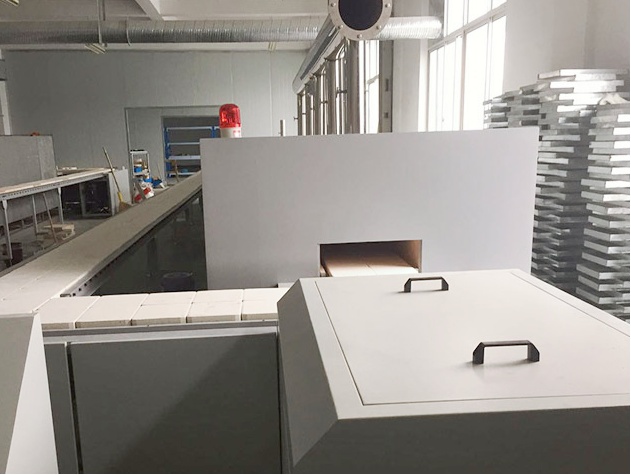
Microwave Sintering Furnace Technology
-
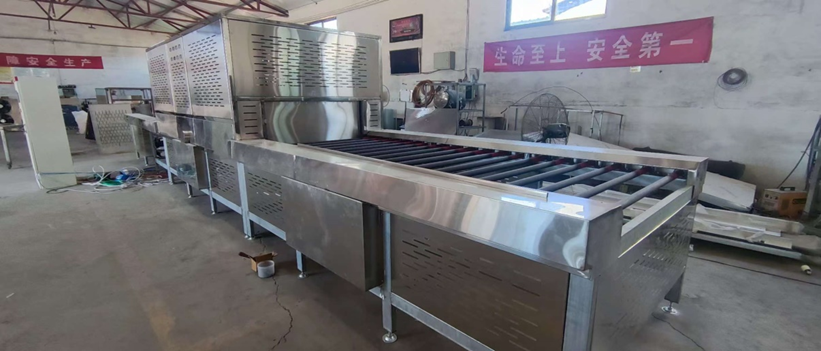
The process of sintering gemstones in high-temperature oxidation furnace and roller kiln
-
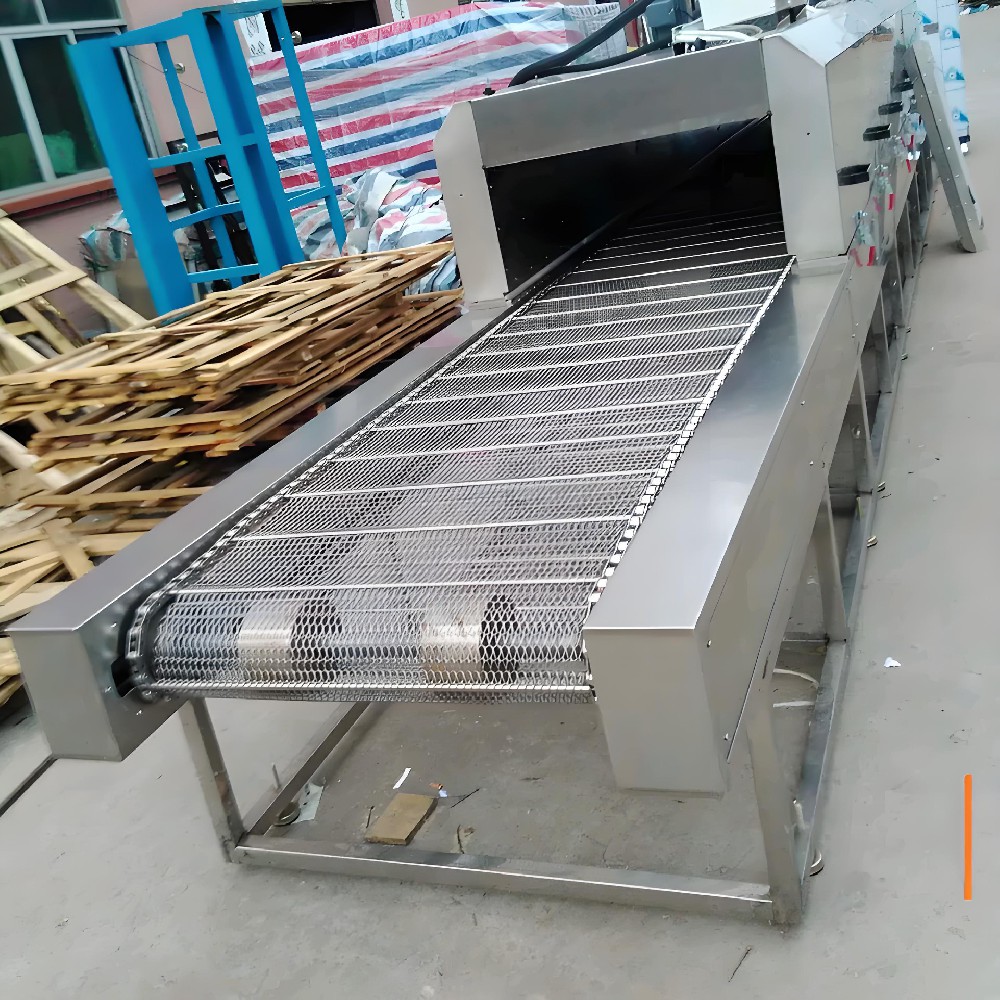
Mesh belt sintering furnace: Continuous and efficient industrial heat treatment core equipment
-
Silicon Carbide High-Temperature Sintering: Unlocking the High-Performance Code of Special Materials